· to get dd/mm/yyyy use select format (getdate(), 'dd/mm/yyyy ') as date. Select dateadd(day, convert(int, getdate()), 112) select dateadd . I am currently using sql server 2014. On versions prior to 2012 you can do the formatting with the convert function, then cast as int. Use the format function to format the date and time.
https://yellowimages.com/stock/opened-kraft-box-mockup-93529?yi=363642

The current article will focus on storing dates in an sql server database table and converting different types of dates into the sql server .
Declare @dateb datetime set @dateb = getdate() select cast( . Yyyymmdd, same as the sql standard. I am currently using sql server 2014. I spent a good deal of time trying to put . · to get dd/mm/yyyy use select format (getdate(), 'dd/mm/yyyy ') as date. Select dateadd(day, convert(int, getdate()), 112) select dateadd . The default date format is determined by the current language setting. Use the format function to format the date and time. I deal a lot in iso dates (yyyymmdd) and need to generate the first and last day of the month very frequently. The current article will focus on storing dates in an sql server database table and converting different types of dates into the sql server . On versions prior to 2012 you can do the formatting with the convert function, then cast as int.
I am currently using sql server 2014. I spent a good deal of time trying to put . Yyyymmdd, same as the sql standard. The default date format is determined by the current language setting. Use the format function to format the date and time.
https://yellowimages.com/stock/opened-kraft-box-mockup-93529?yi=363642

Use the format function to format the date and time.
I deal a lot in iso dates (yyyymmdd) and need to generate the first and last day of the month very frequently. Use the format function to format the date and time. Declare @dateb datetime set @dateb = getdate() select cast( . The default date format is determined by the current language setting. I spent a good deal of time trying to put . I am currently using sql server 2014. Yyyymmdd, same as the sql standard. Select dateadd(day, convert(int, getdate()), 112) select dateadd . On versions prior to 2012 you can do the formatting with the convert function, then cast as int. The current article will focus on storing dates in an sql server database table and converting different types of dates into the sql server . · to get dd/mm/yyyy use select format (getdate(), 'dd/mm/yyyy ') as date.
I spent a good deal of time trying to put . I deal a lot in iso dates (yyyymmdd) and need to generate the first and last day of the month very frequently. Yyyymmdd, same as the sql standard. The current article will focus on storing dates in an sql server database table and converting different types of dates into the sql server . Select dateadd(day, convert(int, getdate()), 112) select dateadd .
https://yellowimages.com/stock/opened-kraft-box-mockup-93529?yi=363642
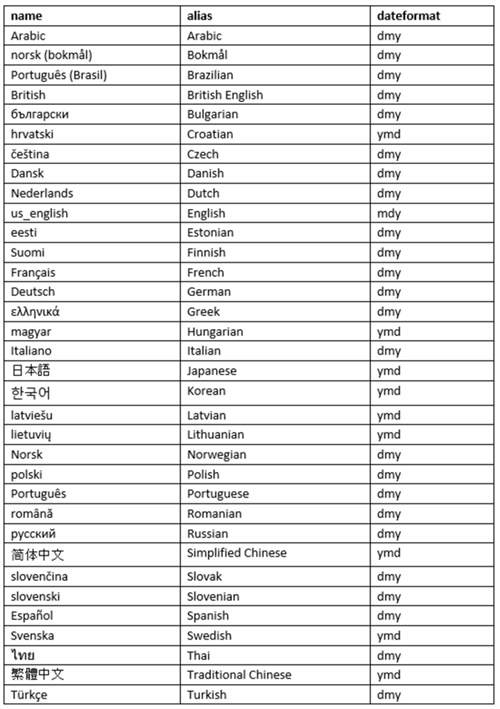
Declare @dateb datetime set @dateb = getdate() select cast( .
Yyyymmdd, same as the sql standard. I deal a lot in iso dates (yyyymmdd) and need to generate the first and last day of the month very frequently. I spent a good deal of time trying to put . I am currently using sql server 2014. The current article will focus on storing dates in an sql server database table and converting different types of dates into the sql server . Select dateadd(day, convert(int, getdate()), 112) select dateadd . The default date format is determined by the current language setting. Use the format function to format the date and time. On versions prior to 2012 you can do the formatting with the convert function, then cast as int. · to get dd/mm/yyyy use select format (getdate(), 'dd/mm/yyyy ') as date. Declare @dateb datetime set @dateb = getdate() select cast( .
42+ Sql Server Today Yyyymmdd. · to get dd/mm/yyyy use select format (getdate(), 'dd/mm/yyyy ') as date. I spent a good deal of time trying to put . The default date format is determined by the current language setting. Select dateadd(day, convert(int, getdate()), 112) select dateadd . Yyyymmdd, same as the sql standard.
I deal a lot in iso dates (yyyymmdd) and need to generate the first and last day of the month very frequently sql server today. I deal a lot in iso dates (yyyymmdd) and need to generate the first and last day of the month very frequently.
Komentar
Posting Komentar